Why Diet Matters for PAD
Diet affects PAD through multiple overlapping mechanisms — and this is actually good news, because it means the right dietary approach can simultaneously address several of PAD's underlying drivers at once:
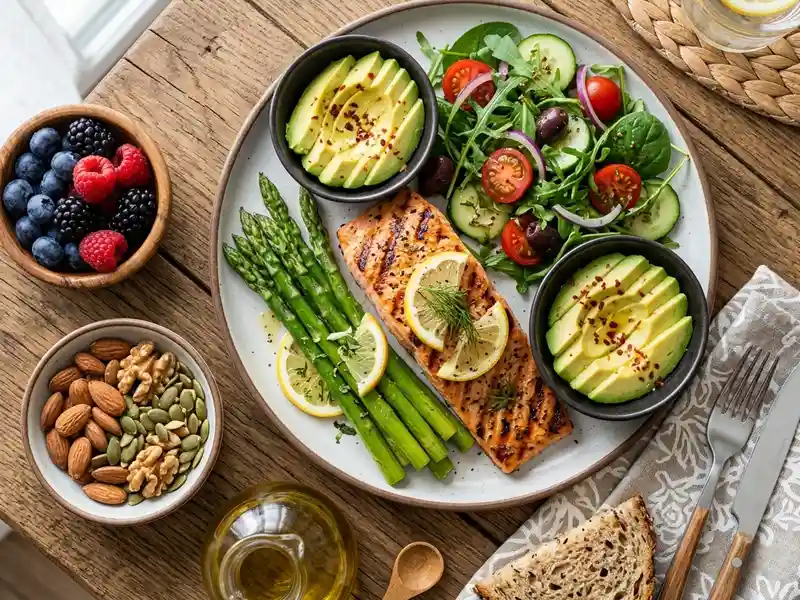
- LDL cholesterol reduction: Replacing saturated and trans fats with unsaturated fats directly lowers LDL, the primary fuel for arterial plaque
- Blood pressure control: Low-sodium, potassium-rich diets reduce blood pressure, one of the primary mechanical forces damaging artery walls
- Anti-inflammatory effects: Foods rich in omega-3 fatty acids, polyphenols, and fiber reduce systemic inflammation — a key driver of plaque destabilization and progression
- Blood sugar regulation: Low-glycemic diets reduce glucose spikes that damage endothelial cells and promote arterial calcification — crucial for diabetic PAD patients
- Weight management: Obesity increases inflammation, blood pressure, and diabetes risk — all PAD accelerators
- Nitric oxide production: Certain foods (particularly those rich in dietary nitrates like leafy greens) increase nitric oxide, a molecule that causes blood vessels to relax and widen
No diet will "cure" PAD — but evidence consistently shows that dietary changes can slow or halt disease progression, reduce cardiovascular events, and in combination with exercise and medications, measurably improve ABI and walking performance over time.
The Mediterranean Diet — The Gold Standard for Vascular Health
No dietary pattern has stronger evidence for cardiovascular benefit than the Mediterranean diet. The landmark PREDIMED trial (published in NEJM) — a randomized trial of over 7,000 high-risk individuals in Spain — found that a Mediterranean diet supplemented with either extra virgin olive oil or nuts reduced major cardiovascular events (heart attack, stroke, cardiovascular death) by approximately 30% compared to a low-fat control diet.
For PAD specifically, Mediterranean diet adherence has been associated in observational studies with lower PAD prevalence, slower disease progression, and better outcomes after revascularization.
Core Elements of the Mediterranean Diet
- Olive oil as the primary fat: At least 4 tablespoons of extra virgin olive oil per day. EVOO is rich in oleocanthal (anti-inflammatory) and oleic acid (promotes healthy cholesterol balance)
- Abundant vegetables: 2+ servings per meal. Dark leafy greens (spinach, kale, arugula) are particularly beneficial for their dietary nitrate content
- Fruits: 2–3 servings daily. Berries (blueberries, strawberries, raspberries) are especially anti-inflammatory due to their anthocyanin content
- Legumes: 3+ servings per week — lentils, chickpeas, black beans, kidney beans. High fiber, low glycemic index, good plant protein source
- Whole grains: Oats, quinoa, brown rice, whole wheat bread/pasta. Replace refined carbohydrates
- Fish: At least 2 servings per week, especially fatty fish rich in omega-3s (salmon, sardines, mackerel, herring, trout)
- Nuts and seeds: A small handful (about 30g) daily — walnuts have particularly strong evidence for cardiovascular benefit
- Herbs and spices instead of salt
- Poultry and eggs: In moderation (a few times per week)
- Dairy: Mostly yogurt and small amounts of cheese — limit butter
- Red meat: Less than 2 servings per week, treated as a condiment rather than the centerpiece
- Minimal ultra-processed foods, refined sugars, and sugary beverages
Foods to Prioritize for Better Circulation
Fatty Fish (Salmon, Sardines, Mackerel)
Omega-3 fatty acids (EPA and DHA) from fatty fish have multiple vascular benefits: they reduce triglycerides by 20–30%, lower inflammation (reduce CRP and IL-6), slightly reduce blood pressure, and improve endothelial function. Aim for 2–3 servings per week. Canned sardines are an affordable option with excellent omega-3 content.
Extra Virgin Olive Oil
The cornerstone of the Mediterranean diet. Choose cold-pressed extra virgin olive oil (not just "olive oil" or "light olive oil" — these are refined). Use it for cooking (it's stable up to ~410°F) and as a dressing. The polyphenols in EVOO are destroyed by heat, so drizzling raw over salads or vegetables provides the most anti-inflammatory benefit.
Leafy Green Vegetables
Spinach, kale, Swiss chard, arugula, and beet greens are rich in dietary nitrates — compounds that the body converts to nitric oxide, a powerful vasodilator. A 2023 study in the European Journal of Preventive Cardiology found that high leafy green intake was associated with significantly lower PAD risk. Aim for at least one large serving daily.
Berries
Blueberries, strawberries, raspberries, and blackberries are among the highest-antioxidant foods available. Their anthocyanins reduce oxidative stress and inflammation, and clinical trials have shown that daily blueberry consumption improves endothelial function (how well arteries dilate in response to blood flow) within 4–8 weeks.
Walnuts
Among all nuts, walnuts have the highest alpha-linolenic acid (ALA) content — a plant-based omega-3. They also contain L-arginine, the precursor to nitric oxide. Clinical trials show that 30–60g of walnuts daily reduces LDL by 5–7% and improves endothelial function.
Garlic
Garlic contains allicin, which has antiplatelet, anti-inflammatory, and mild blood pressure-lowering effects. Multiple meta-analyses support a small but consistent LDL-lowering effect of raw or aged garlic extract. Fresh garlic is most potent — let it rest for 10 minutes after chopping to maximize allicin formation before using.
Turmeric (Curcumin)
Curcumin — the active compound in turmeric — has potent anti-inflammatory effects. Animal studies and some small human trials suggest it may help slow atherosclerosis progression. Bioavailability is very low unless paired with black pepper (piperine) or a fat source. Add turmeric + black pepper to olive oil dressings or curries.
Dark Chocolate (70%+ Cacao)
High-cacao dark chocolate contains flavanols that have been shown in multiple randomized trials to improve endothelial function and reduce blood pressure. The key word is "dark" — milk chocolate has far fewer flavanols. 20–30g of 70%+ dark chocolate per day is a reasonable amount. Avoid brands with high sugar content.
Foods to Reduce or Eliminate
Saturated Fats
Found primarily in: fatty red meat (beef, pork, lamb), full-fat dairy (butter, cream, whole milk, full-fat cheese), coconut oil, palm oil. Replacing saturated fats with unsaturated fats reduces LDL cholesterol — replacing just 5% of calories from saturated fat with polyunsaturated fat reduces cardiovascular risk by about 10%.
Trans Fats
The worst dietary fat for cardiovascular health — raising LDL while simultaneously lowering HDL. Largely eliminated from the US food supply since the FDA's 2018 ban on partially hydrogenated oils, but still found in some imported foods and older packaged goods. Check labels for "partially hydrogenated oil."
Sodium (Salt)
The American Heart Association recommends limiting sodium to 1,500–2,300 mg per day for those with or at risk for cardiovascular disease. The average American consumes about 3,400 mg daily — more than double the ideal. Sodium's primary harm is through blood pressure elevation. Primary sources: processed foods (bread, pizza, canned soup, deli meats) — not the salt shaker at the table.
Added Sugars and Refined Carbohydrates
Sugar-sweetened beverages, white bread, white rice, pastries, and ultra-processed foods cause rapid blood glucose spikes that damage endothelial cells, promote inflammation, raise triglycerides, and in diabetics with PAD, directly worsen circulation. Limit added sugars to less than 25g (6 teaspoons) per day for women, 36g (9 teaspoons) for men — per AHA guidelines.
Alcohol
Moderate alcohol consumption (1 drink/day for women, 2 for men) has long been debated as either neutral or mildly protective. However, 2024 Canadian guidelines from the Canadian Centre on Substance Use and Addiction now recommend limiting alcohol to 2 standard drinks or fewer per week. At higher amounts, alcohol raises triglycerides and blood pressure. For PAD patients on warfarin or clopidogrel, alcohol also increases bleeding risk.
The DASH Diet for PAD + Hypertension
If you have both PAD and high blood pressure, the DASH (Dietary Approaches to Stop Hypertension) diet is an excellent complement to the Mediterranean approach. Key DASH principles:
- Sodium strictly limited to 1,500 mg/day (low-sodium DASH)
- High potassium (4,700 mg/day) from fruits, vegetables, and legumes — potassium counteracts sodium's blood pressure effects
- Low saturated fat and total fat
- Whole grains, lean proteins, low-fat dairy
Clinical trials have shown DASH reduces systolic blood pressure by 8–14 mmHg — comparable to a single antihypertensive medication.
Supplements: What Works, What Doesn't
Many PAD patients ask about supplements. Here's an honest, evidence-based review:
| Supplement | Evidence Level | Verdict |
|---|---|---|
| Omega-3 fish oil (EPA+DHA 2–4g/day) | Moderate-strong | Reduces triglycerides, reduces inflammation. Reasonable addition for PAD patients who don't eat fatty fish regularly |
| Coenzyme Q10 (CoQ10) | Weak | May reduce statin-related muscle symptoms; limited direct cardiovascular evidence. Generally safe. |
| L-arginine | Weak-moderate | Precursor to nitric oxide. Some trials show modest improvement in walking distance in PAD. More data needed. |
| Vitamin D | Mixed | Low vitamin D is associated with PAD risk; supplementation trials haven't shown clear benefit for PAD outcomes. |
| Magnesium | Weak | Some blood pressure benefit; PAD-specific evidence limited. |
| Red yeast rice | Moderate | Contains naturally occurring lovastatin (a statin). Can lower LDL but dosing is inconsistent and product quality varies. Discuss with doctor — drug interactions possible. |
| Niacin (vitamin B3) | Weak (recent) | Raises HDL but clinical trials (HPS2-THRIVE, AIM-HIGH) showed no cardiovascular benefit when added to statin therapy. |
Important: Always tell your doctor and pharmacist about any supplements you take. Some interact with antiplatelet medications (aspirin, clopidogrel) or warfarin.
Practical Meal Planning for PAD
Here's a simple weekly framework:
- Breakfast: Oatmeal with walnuts, berries, and a drizzle of honey. Or: Greek yogurt with berries and flaxseed. Minimize: pastries, sugary cereal, bacon, sausage
- Lunch: Large salad with olive oil dressing, chickpeas, cucumber, tomato, and grilled chicken or canned salmon. Whole grain bread. Minimize: deli meat sandwiches, fast food, white bread
- Dinner: Twice per week: salmon, sardines, or mackerel. Other nights: chicken, turkey, or plant-based protein (lentil soup, bean chili). Always include 2 vegetable servings — aim for one leafy green. Minimize: red meat, processed meat, fried foods
- Snacks: Handful of walnuts or almonds; apple slices; dark chocolate (70%+); hummus with carrots. Minimize: chips, cookies, crackers, candy
- Beverages: Water as primary drink; green tea (associated with reduced cardiovascular risk); moderate coffee (1–2 cups). Minimize: sodas, fruit juice (high sugar), energy drinks
Special Dietary Considerations for Diabetic PAD Patients
If you have both diabetes and PAD — a very common combination — dietary strategy needs to be calibrated carefully:
- Glycemic control is paramount: Every spike in blood glucose causes endothelial damage. Choose low-glycemic-index foods (legumes, whole grains, non-starchy vegetables) over high-GI foods (white bread, white rice, sugary drinks)
- Carbohydrate consistency: Distribute carbohydrates evenly across meals to prevent large glucose swings
- Foot care vigilance with diet: Good nutrition supports wound healing. Adequate protein (1.2–1.5g/kg/day) is essential for tissue repair in diabetics with foot wounds
- Work with a registered dietitian: For diabetic PAD patients, a personalized meal plan from an RD specializing in diabetes is one of the best investments you can make
Read more in our guide to ABI testing and PAD management in diabetic patients.